

Heading
With Cusco Airport sitting at nearly 11,000 feet above sea level, the joke is that planes don't actually land here—they just fly in and park!
After a very disruptive night of travel from Santa Cruz to Lima and then on to Cusco, we arrived at the ATEK apartment around 6:30 a.m. We opted for a two-hour power nap before breakfast and then decided how to spend our scheduled acclimatization day. Altitude affects everyone differently, and thankfully we only noticed a little shortness of breath when carrying luggage or walking uphill. We figured the best way to acclimatize was to forget about the sleepless night and spend the day learning, so we booked a six-hour tour to Moray and the Maras Salt Mines.
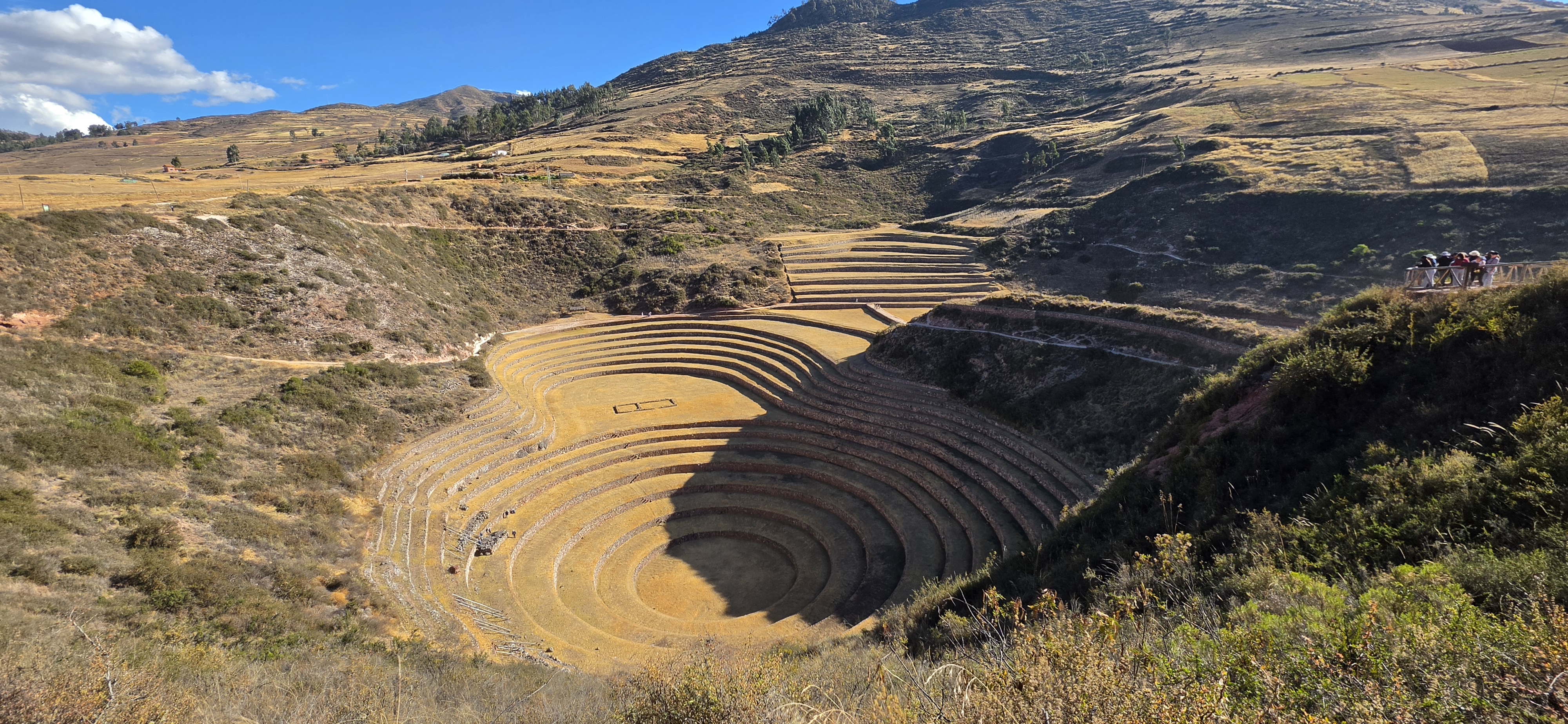
Moray is believed to have been an ancient Inca agricultural laboratory where different crops were tested under varying growing conditions. Its concentric terraces create their own microclimates, with temperatures differing by as much as 15°C from the top to the bottom. As the plants matured, they were gradually moved to higher terraces to adapt to changing conditions, and an ingenious underground drainage system has kept the 30-metre-deep site from flooding for centuries. It was fascinating to see such advanced engineering from hundreds of years ago.
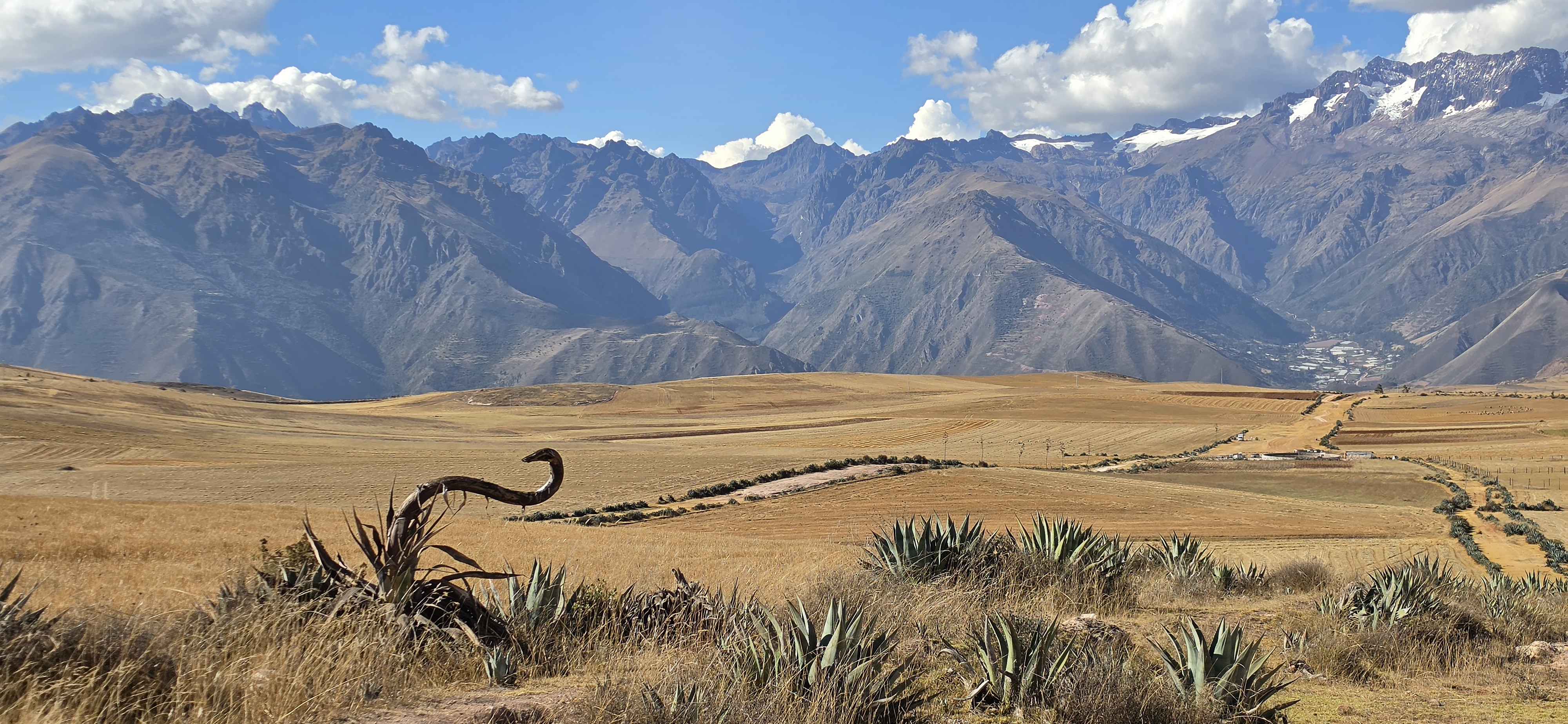
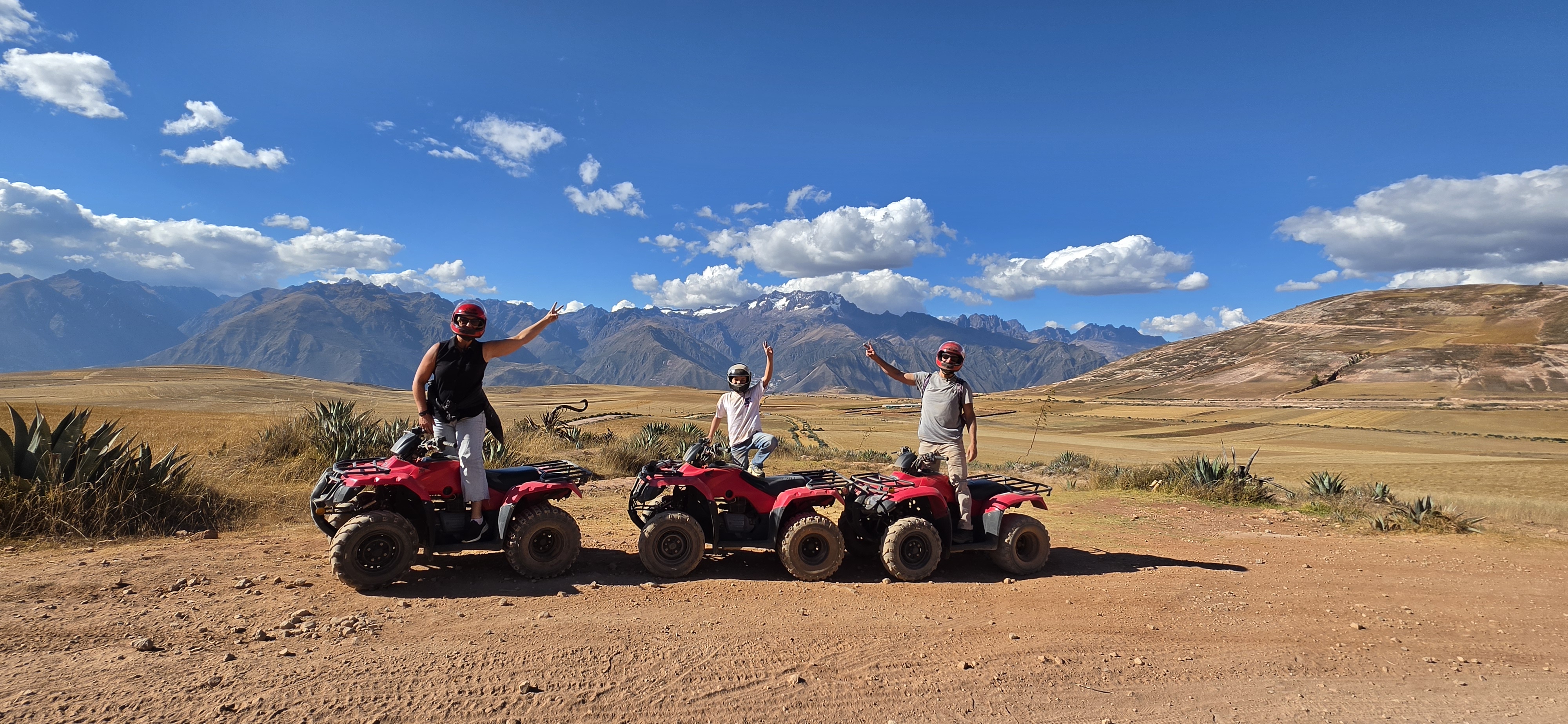
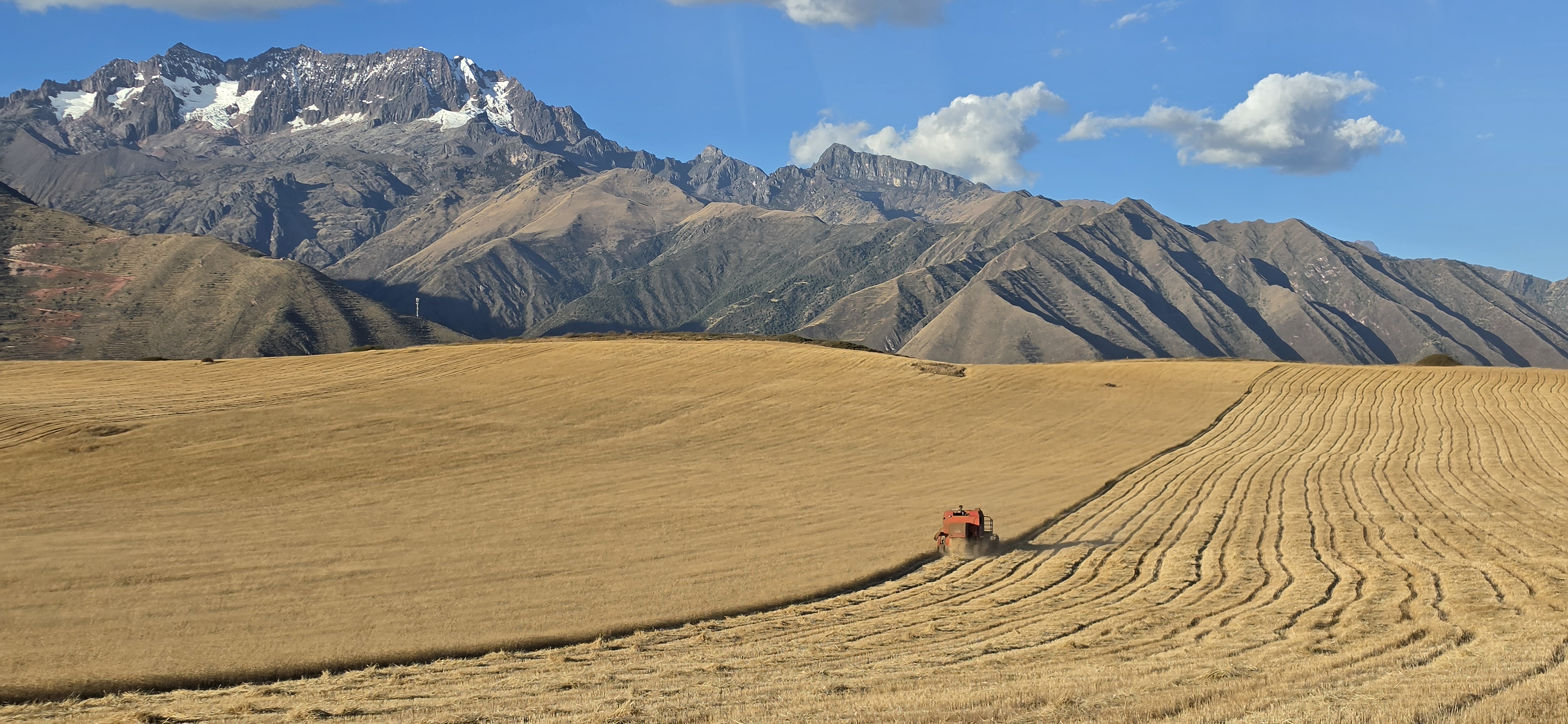
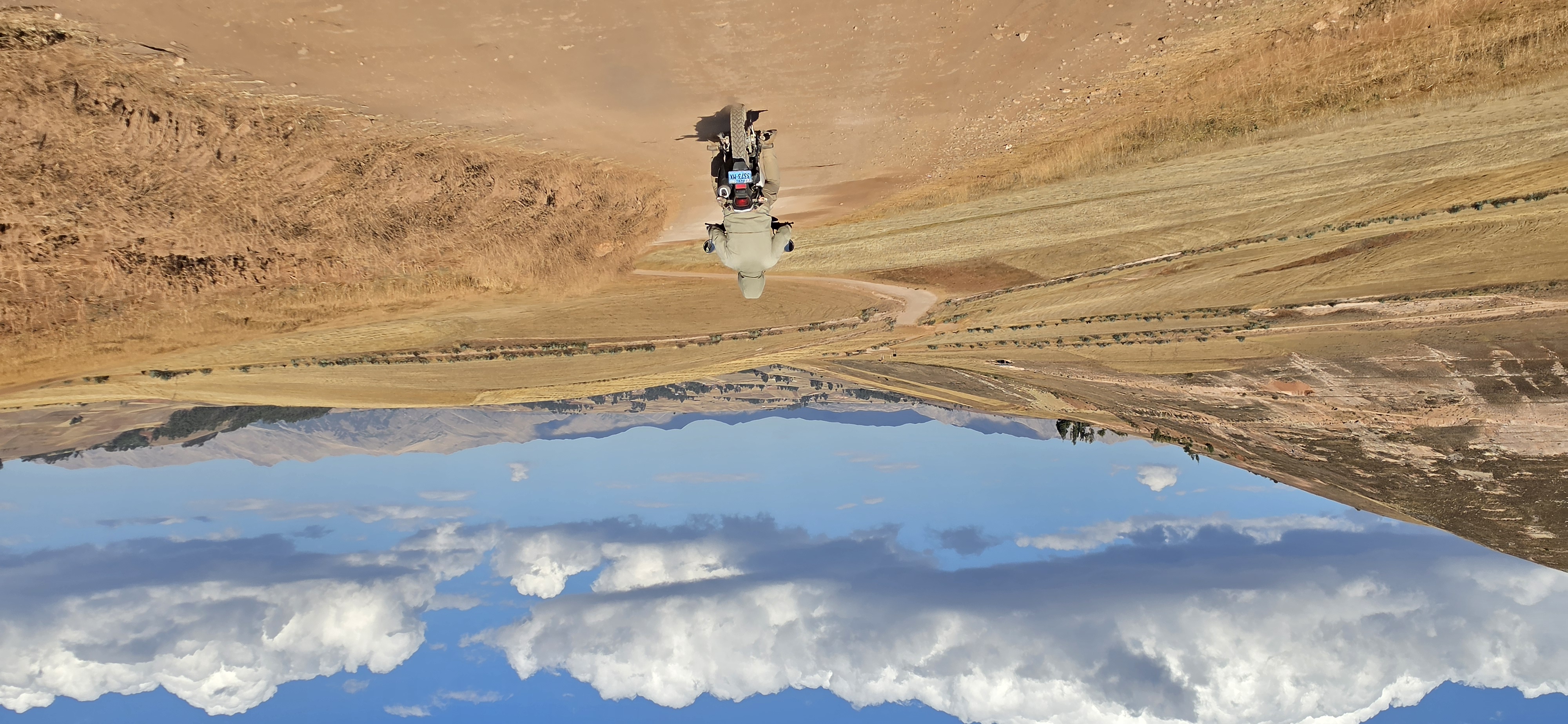
The ATV ride made the experience even more enjoyable and gave us our first real look at the Andes Mountains and the breathtaking Sacred Valley. It also brought to light another fact: after an hour of winding mountain roads, Brantley got motion/car sick. A quick roadside stop for a vomit was followed by Mila(our field partner) kindly picking up some Pepto-Bismol and their version of Gravol—an investment we hoped would pay dividends on our long drive to a remote village the next day.
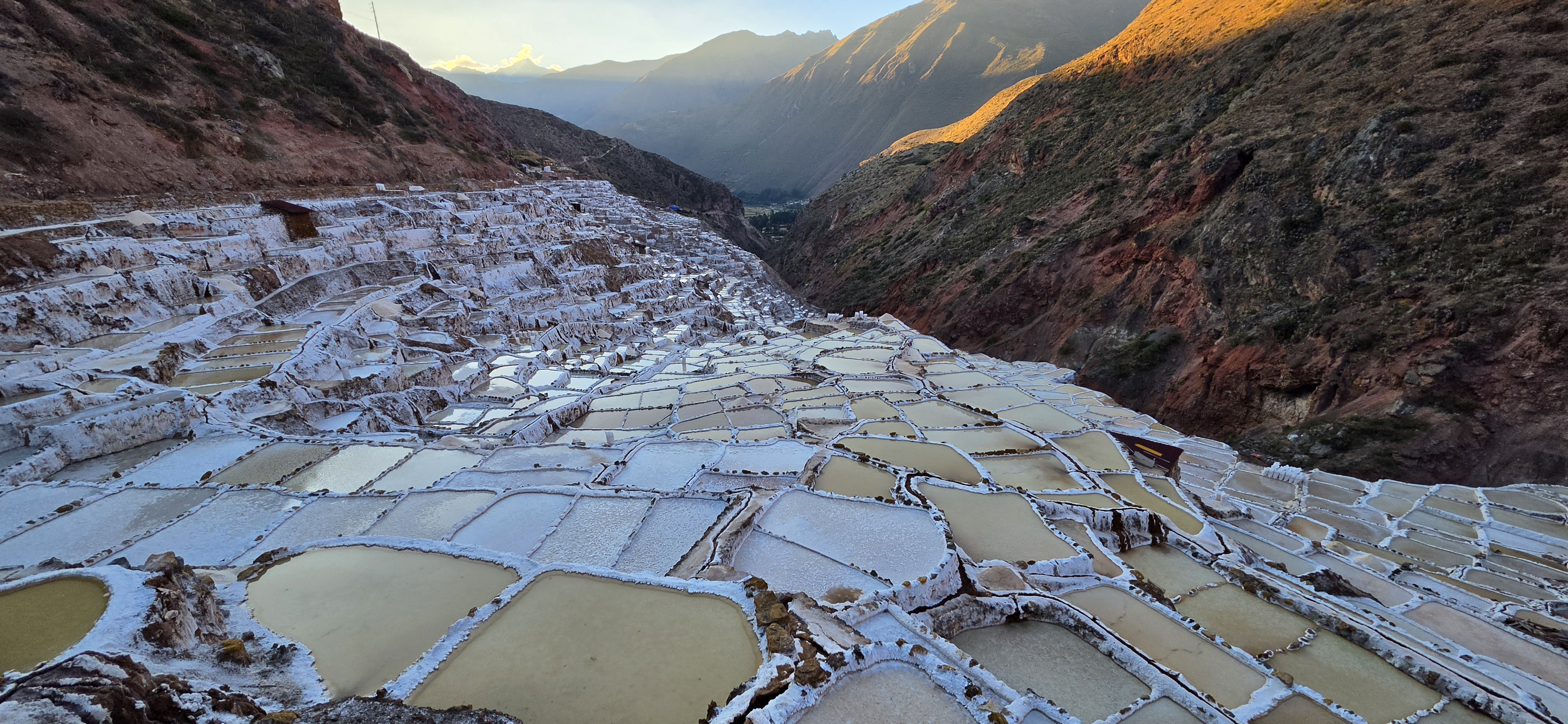
The Maras Salt Mines have been producing salt since before Inca times. Around 4,000 individual salt ponds are fed by a naturally occurring underground salt spring, with each pond owned and maintained by local families who still harvest the salt by hand using traditional methods. There is no lake on the mountain—just incredibly mineral-rich water flowing from the hillside. If rainwater enters the ponds, the salt must settle again for about four weeks before harvesting can resume. The upper layer produces the familiar white table salt, the middle layer yields a mineral-rich pink salt prized for cooking and barbecuing, and the lower layer is used for medicinal bath salts. It was another remarkable example of people wisely using the natural resources God has provided.
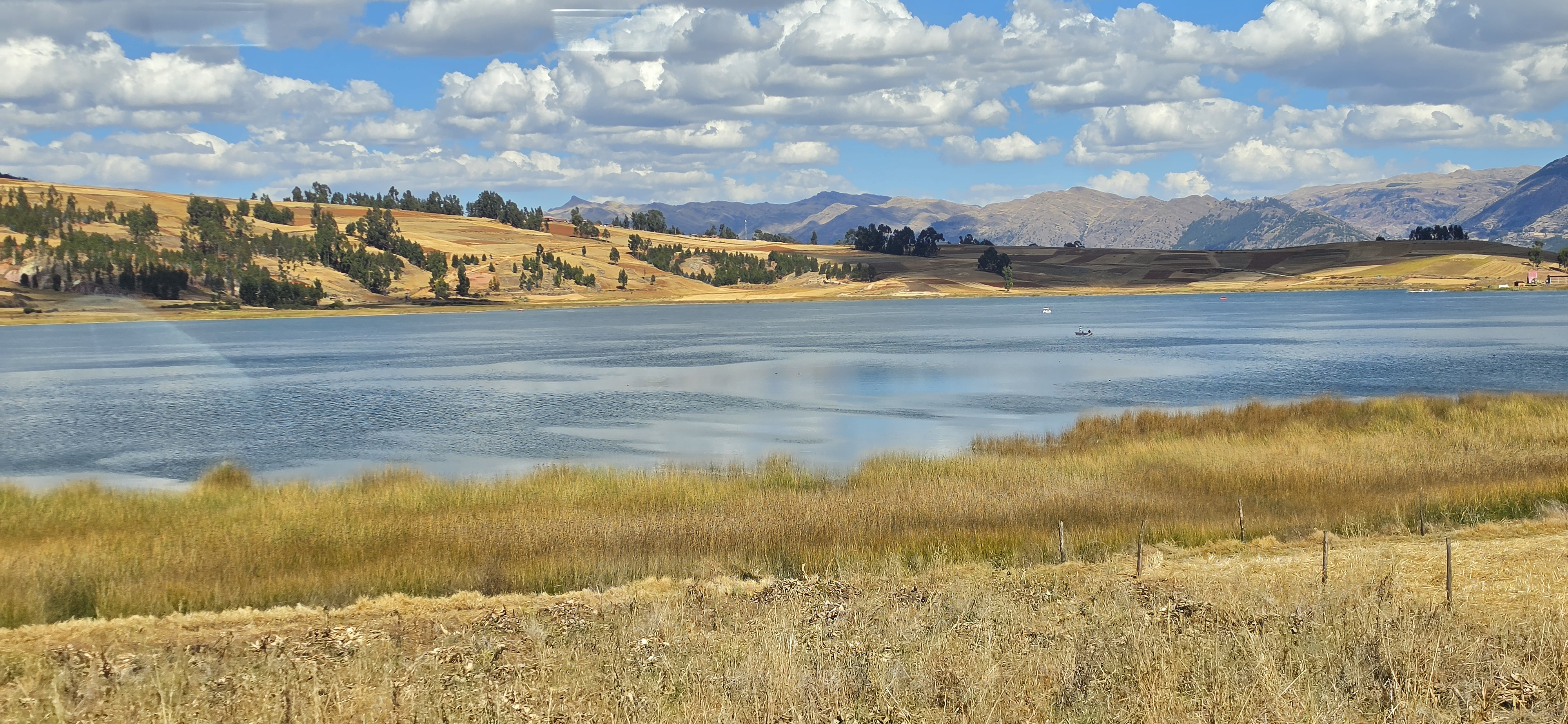
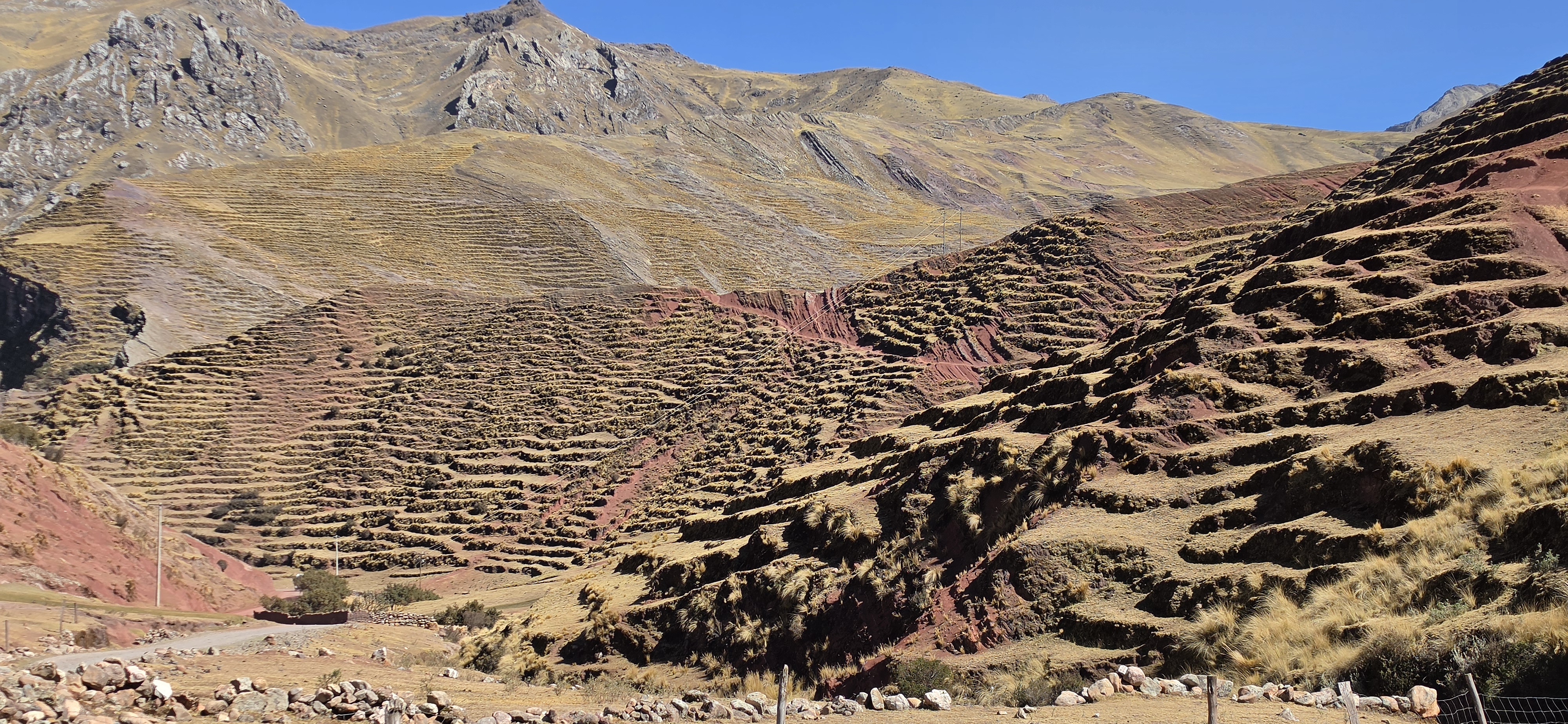
Peru has already been an absolute delight today—a country of incredible beauty, rich history, towering mountains, endless variety in its landscapes and vegetation, charming villages perched at every elevation, and farms carved into the hillsides wherever people can make a living. Every day seems to reveal another reason to marvel at both God's creation and the ingenuity of those who have called these mountains home for centuries.