

The Glory Centre Academy schools have been working towards self-sustainability since their inception in 2016.
The community of Seje is located in a region of western Kenya that receives little rainfall, so the plan to farm and produce maize, beans, and vegetables to provide food for the school and generate income for operations has failed to produce a consistent income.
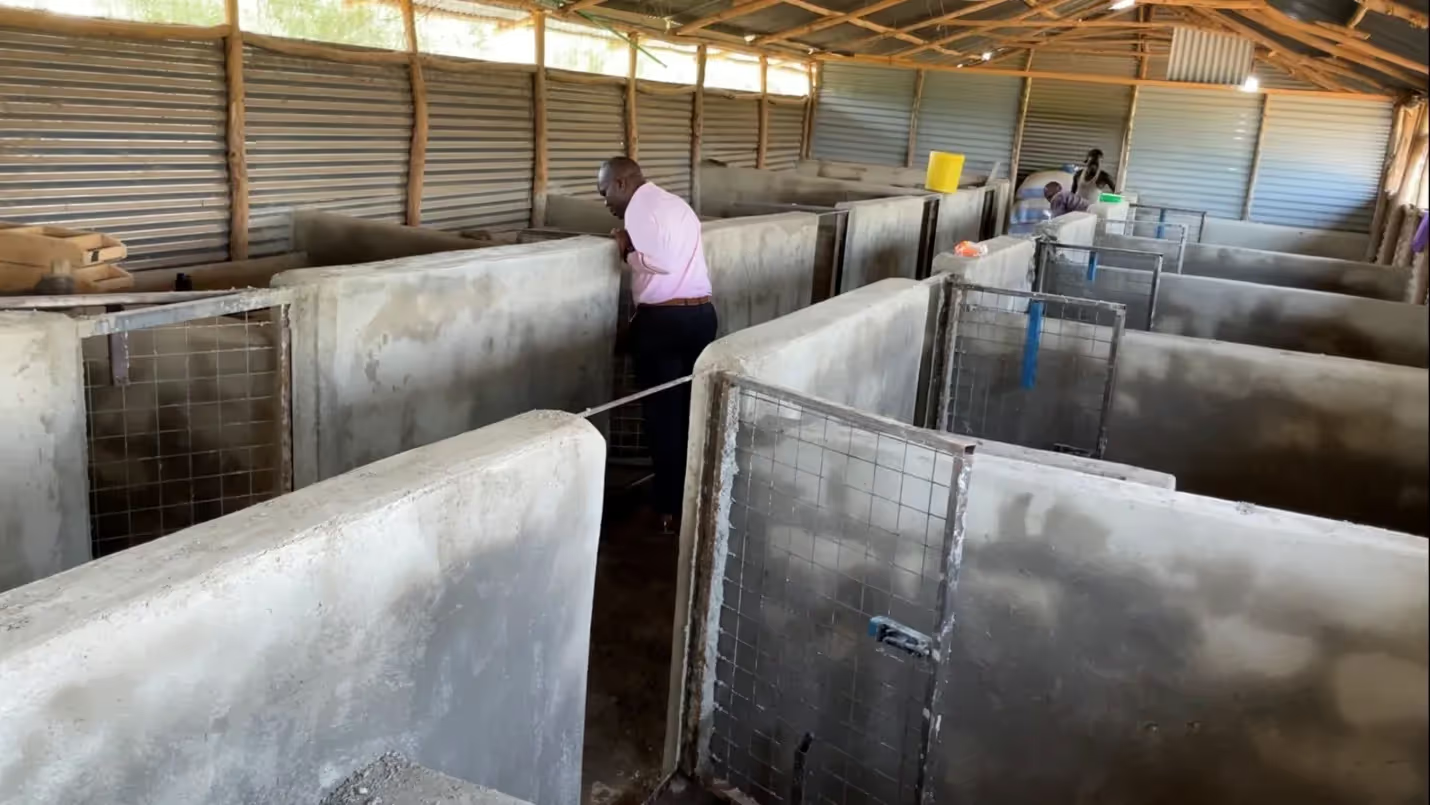
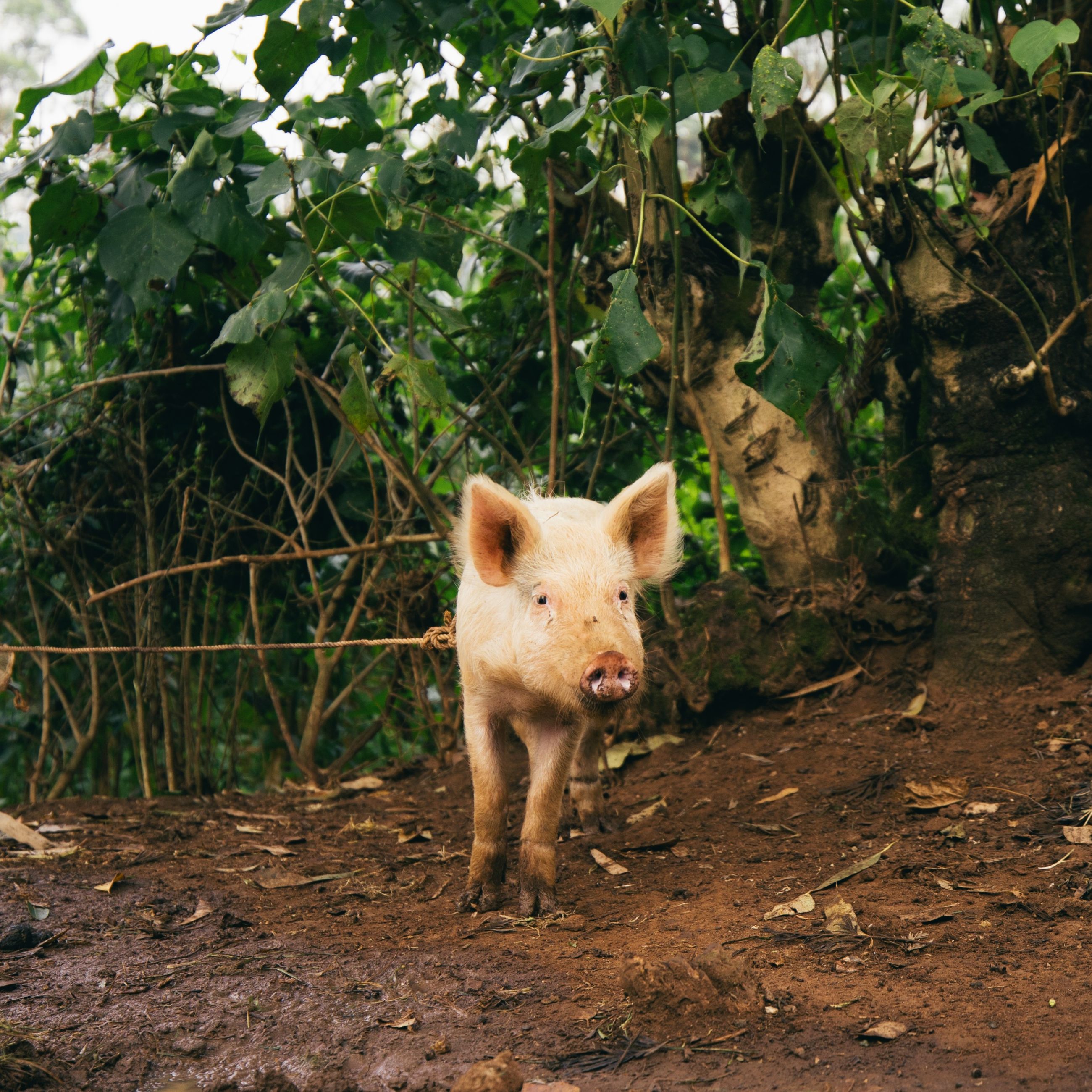
The school is now working with pigs, developing barns, breeding sows, and raising piglets for market. They have built a good reputation in the community for producing quality pork. Feed prices have been the stumbling block for the project, as costs have been on a steep upward spiral, limiting the amount of support that can be directed to the schools.
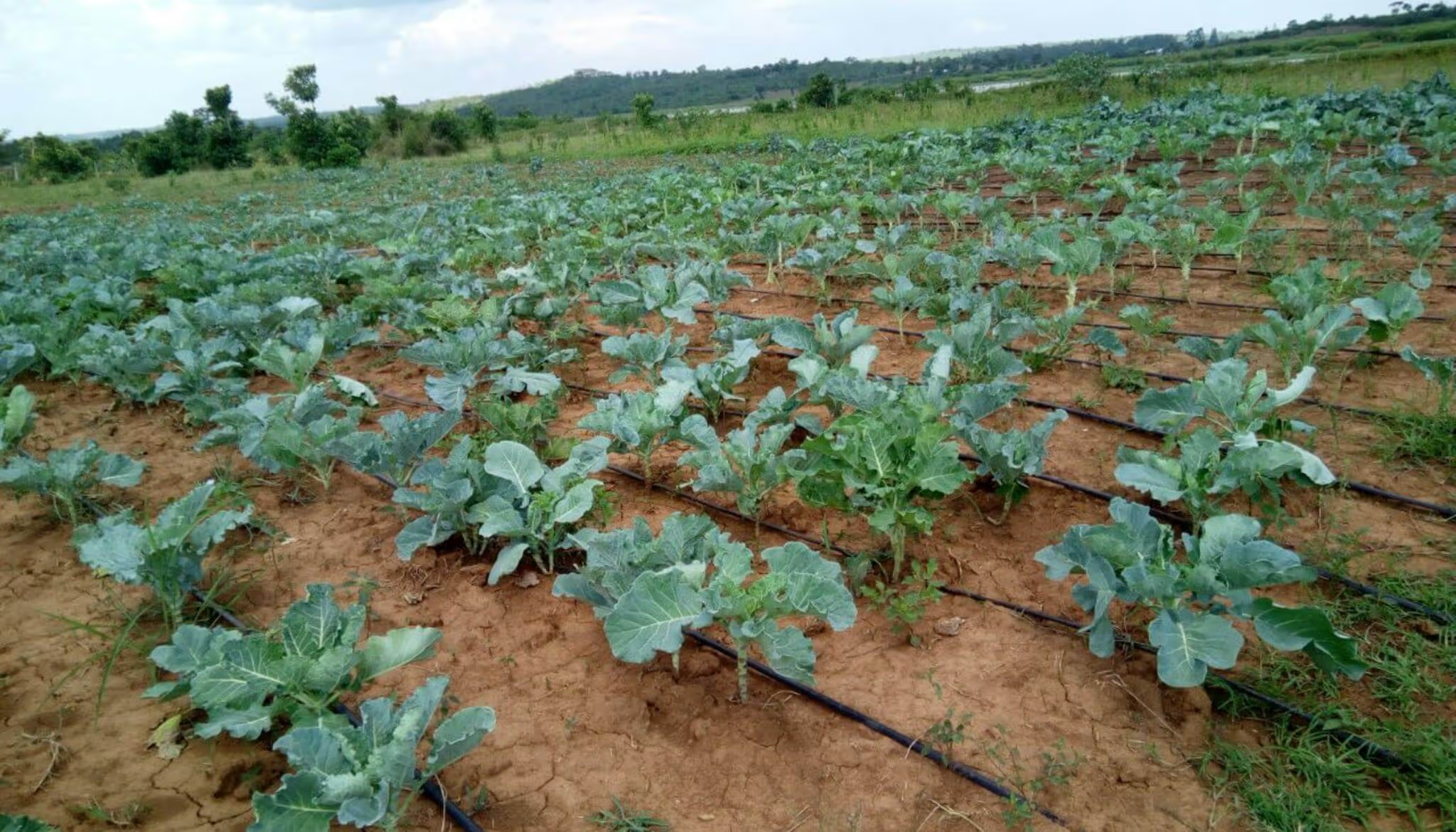
Another branch of the sustainability plan is to continue developing a garden near the Yala River, with the school community providing labour on a rotational basis. Four acres have been leased for the community garden. The garden has an irrigation system to help produce maize, tomatoes, kale, cabbage, onions, beans, and watermelons to sell in the market and to other schools in the area. The garden will also provide an opportunity to teach new farming techniques to school parents.
Meanwhile, over at Yogo Comprehensive, the farming projects continue to do well, producing maize, beans, and vegetables annually. There is a desire to further develop a fish project in two ponds on the farm and to start a cattle project. The produce currently coming from the farms is added to the food provided to students and is also supplied to another dozen local schools, helping to offset operational costs for the Yogo program.