
Heading
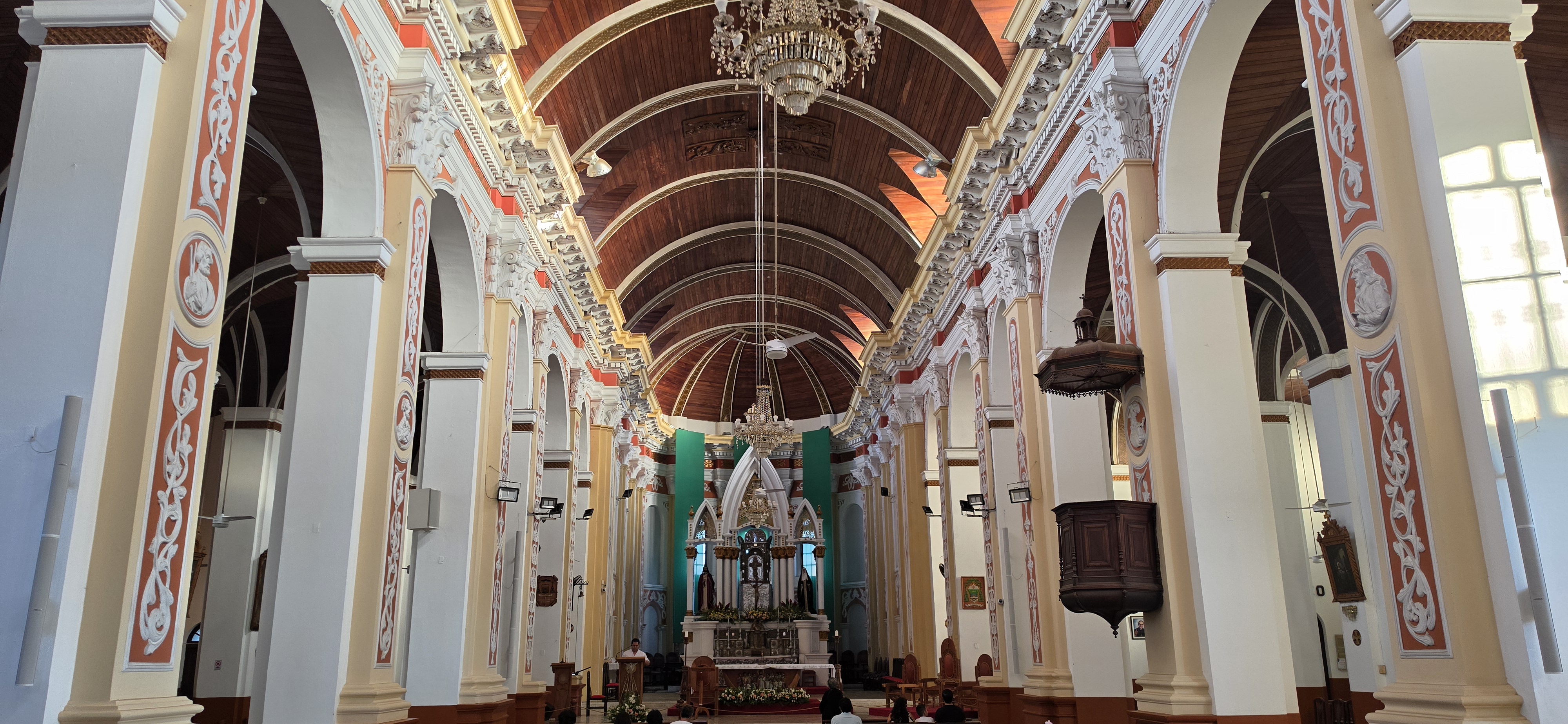
This morning we had the privilege of worshipping with a local church here in Santa Cruz. The sermon, from Genesis 26:23–35, focused on the guiding principles that should govern the life of every believer. We were reminded that God alone is worthy of our complete trust because He alone is perfectly faithful. Again and again, Scripture calls us to "fear not," to 'be strong and take heart', because His presence is always with His people. The message also emphasized that obedience brings blessing, while disobedience brings sorrow, and that our lives are to be fully surrendered to the Lord, allowing the Holy Spirit to govern our conduct so that our light shines before others and brings glory to God.
One of the unexpected blessings of the morning was technology. We kept Google Translate open throughout the service, and it translated the sermon into English remarkably well, allowing us to follow every point. It was a wonderful reminder that although we speak different languages, we worship the same faithful God. One particularly touching moment came during the singing when we noticed a man who appeared to be unable to speak. Rather than remaining silent, he worshipped by signing the hymns with his hands. It was a beautiful picture of wholehearted praise and a reminder that God's people worship Him in many different ways.
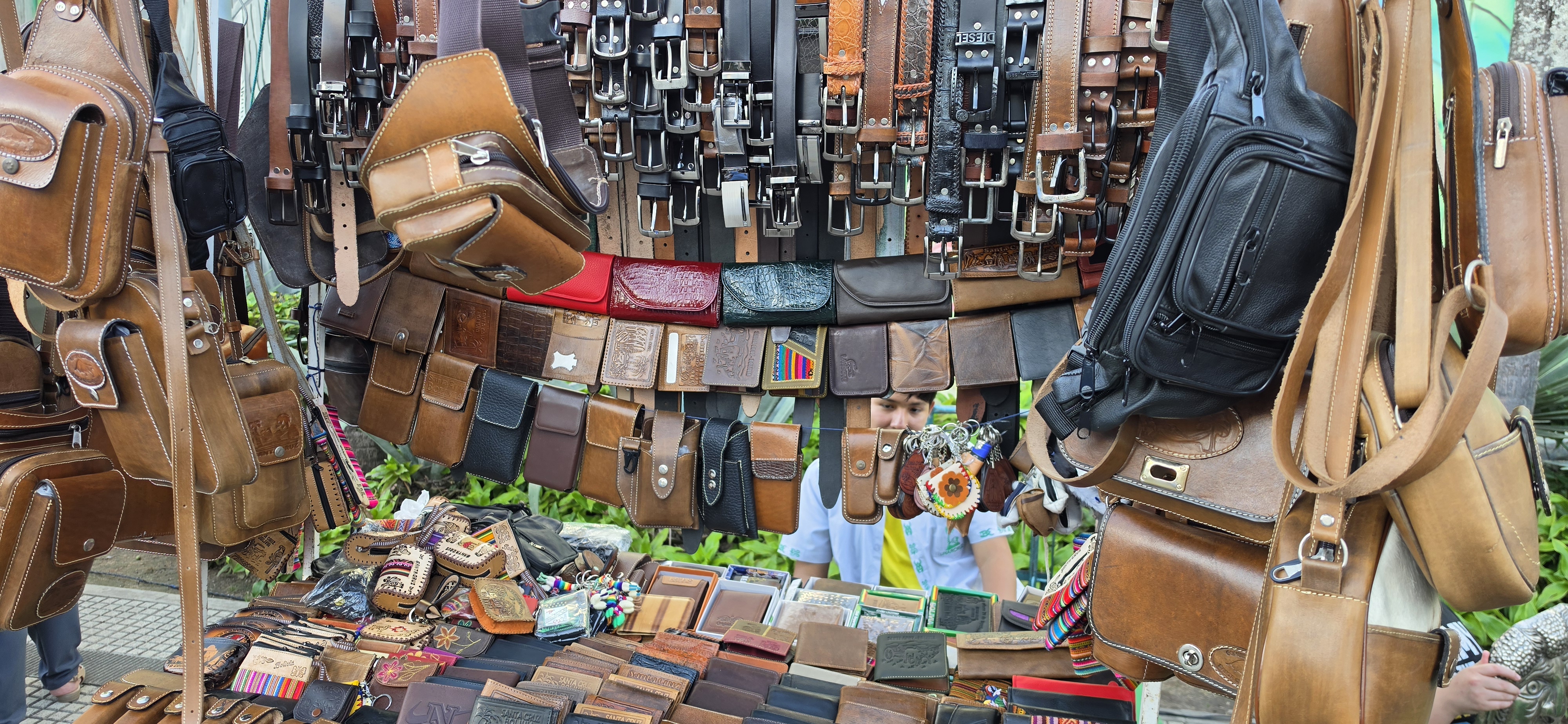
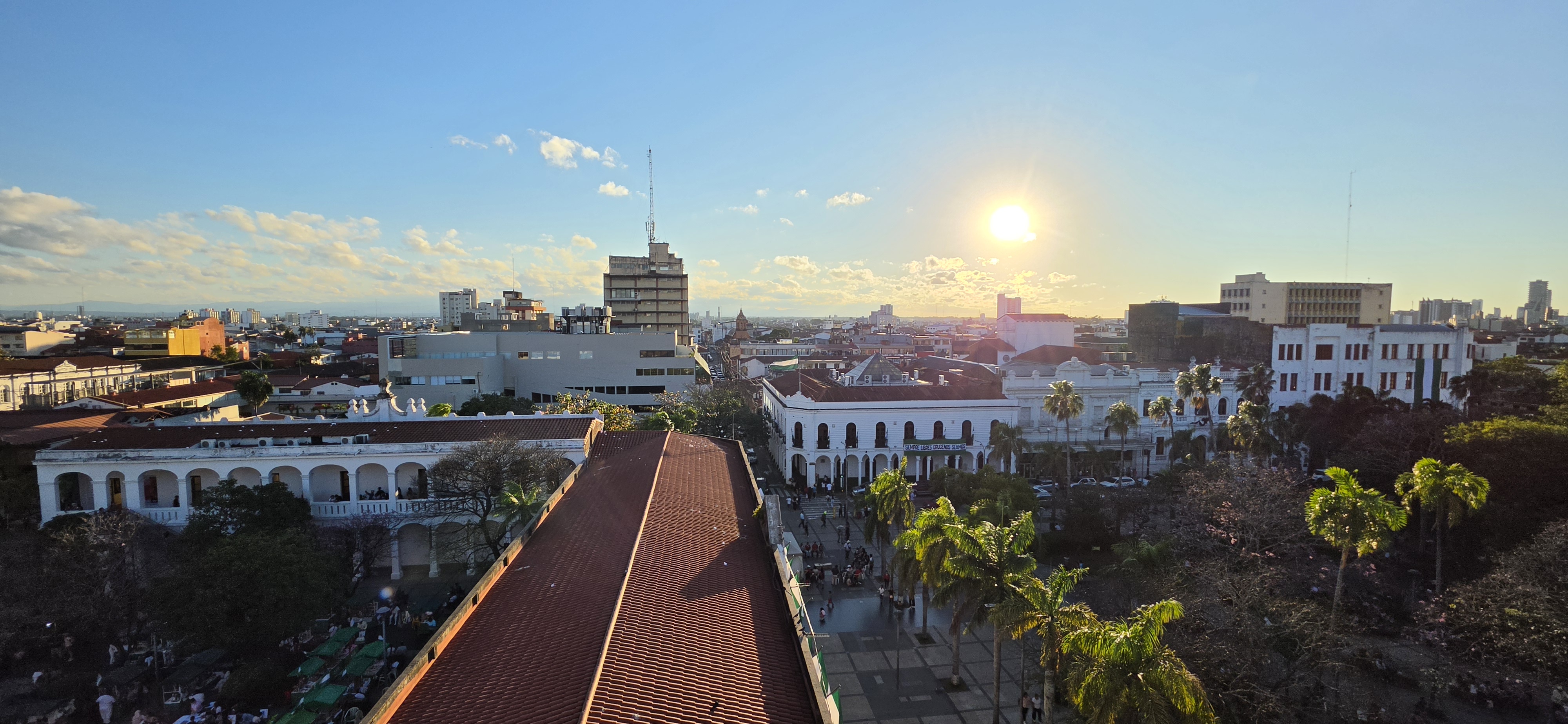
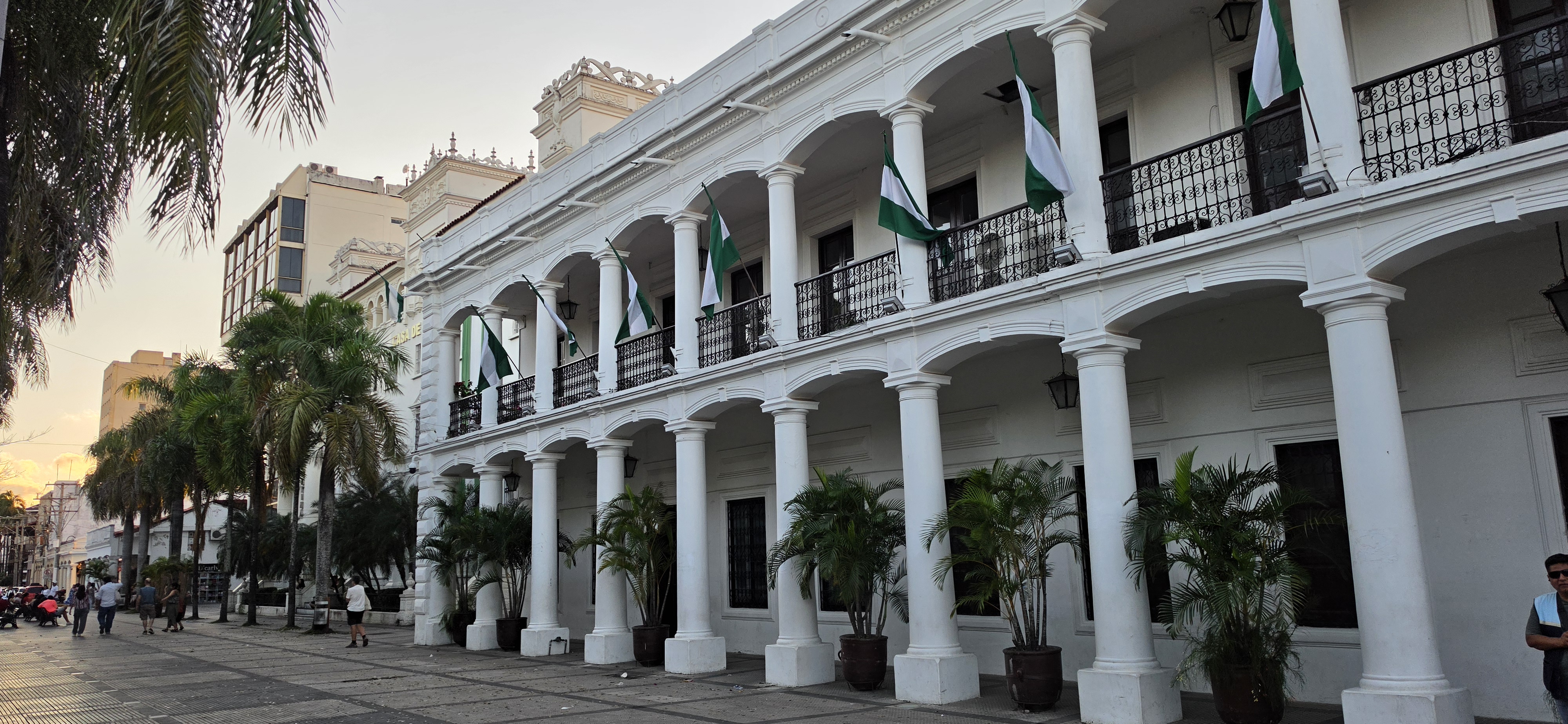
This afternoon we spent some time walking through the town square and downtown. With every passing hour, we're gaining a deeper appreciation for Bolivia—its people, culture, and unique character. The more we observe and learn, the more we see both the beauty of this country and some of the challenges its people are currently facing. Seeing the miles of parked semis and transport trucks waiting for diesel along the road sides on our way in from the airport started us reading up and asking questions to better understand the economic and political instability here; we're seeing firsthand what many Bolivians talk about every day. The country's economic problems are the result of several factors building up over many years; here are a few of the biggest reasons:
Collapse of natural gas exports - For nearly two decades, Bolivia's economy was supported by exporting natural gas to Brazil and Argentina. As gas fields aged and new exploration lagged, production fell sharply. That meant far fewer U.S. dollars flowing into the country and much less government revenue.
Shortage of U.S. dollars and the parallel exchange rate - Bolivia kept the official exchange rate fixed at about 6.96 bolivianos per US$1 for many years. But as dollar reserves dried up, it became increasingly difficult to obtain dollars through banks. A parallel (black-market) exchange rate emerged where the dollar traded much higher than the official rate. This has made imports, travel, and many business transactions much more expensive.
Fuel subsidies and large government spending - Bolivia has heavily subsidized gasoline and diesel for years, keeping prices among the lowest in South America. While popular, these subsidies have become extremely expensive as the country now imports much of its fuel. Combined with persistent budget deficits, they have put enormous pressure on government finances and foreign currency reserves.
Political instability and governance issues - Years of conflict between political leaders, frequent protests, road blockades, and allegations of corruption have discouraged investment and delayed economic reforms. Businesses are hesitant to invest when the political environment is uncertain. While corruption is often cited by Bolivians as part of the problem, economists generally see it as one factor alongside the broader structural issues.
Declining foreign reserves and loss of confidence - Bolivia once had more than US$15 billion in international reserves. Those reserves have fallen dramatically, leaving the country with very little liquid foreign currency. That has caused shortages of imported goods and fuel, increased inflation, and reduced confidence in the Boliviano.
One thing many visitors notice is the exchange rate. For years, the official rate stayed around 6.96 Bs per US dollar, but because dollars became scarce, people were willing to pay much more on the parallel market. That's why, if you exchange cash on the street or through informal channels, you may receive far more bolivianos than the official bank rate. That difference reflects the market's assessment of the true value of the currency when dollars are scarce.
The encouraging part is that Bolivia still has significant strengths: rich agricultural land, large lithium reserves, natural beauty that attracts tourism, and a young population. Many economists believe that with more stable policies, renewed investment, and stronger institutions, the country has the resources to recover over time.
We're praying the economists are correct and that the trajectory is only uphill for these beautiful people here🙏